The midnight defrost: who's watching your freezers at 1 am?


It started around midnight on Sunday.
Across Europe, in dozens of dark, empty supermarkets, nothing looked wrong. No alarms blared. No glass broke. No door was forced. Nobody set foot inside.
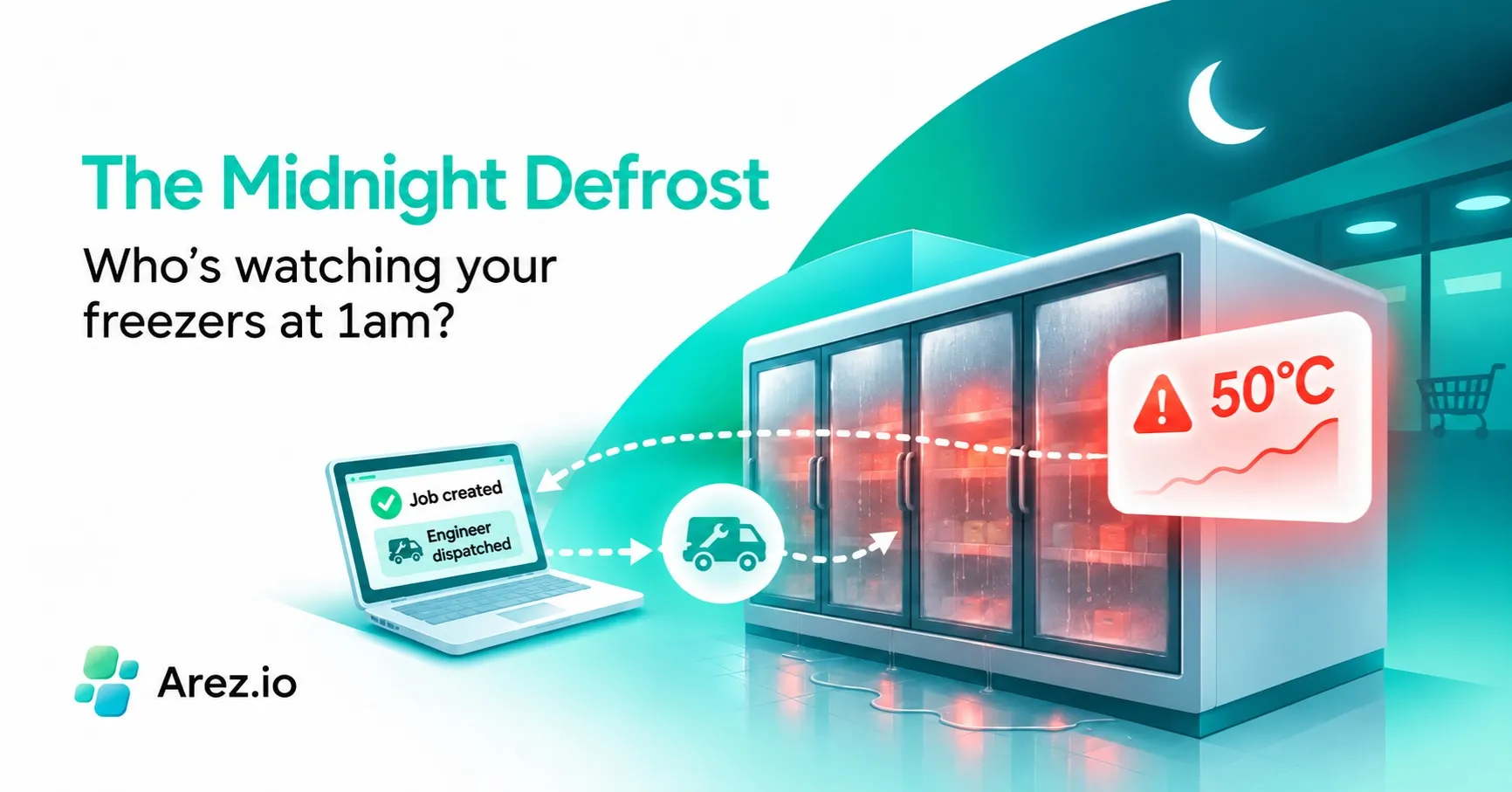
Somewhere on the internet, someone quietly reached into the refrigeration controls and switched the evaporators into defrost mode. The cold stopped. The cabinets began to warm, and in some shops, freezers that should sit well below zero climbed to 50°C.
When staff unlocked the doors on Monday morning, they walked into warm cabinets, puddles on the floor and stock that had to go straight in the bin.
Stores in Belgium, Luxembourg, Sweden, Ireland, the Netherlands, Estonia and Finland were hit in a single night. One Belgian store alone put its loss at €100,000, before counting the cost of closing. Add October's attack on hundreds of French supermarkets, which used the same method, and the bill already runs into millions of euros.
It wasn't a fault. It wasn't a power cut. It was a cold, calculated cyber attack.
How a freezer gets hacked
How do you sabotage a freezer without setting foot in the shop?
Most supermarket refrigeration is connected to the internet, so engineers can keep an eye on it and fix it remotely. That convenience left a back door unbolted.
The attackers ignored the tills, the card data and the websites. They went straight for the plant. Sabcobel, the Belgian firm that runs Delhaize's refrigeration, says some of the affected units need physical work, not just a software update.
The real cost is time
In Belgium, technicians were responding by 1am, an hour after it began. Stores still lost stock.
A freezer that drifts out of range at midnight and sits unnoticed until the early shift is a cabinet headed for the skip. Every hour between the first warning and an engineer on site is money gone.
So the question for every retailer and every refrigeration contractor is simple. When a cabinet goes warm at 1am, who knows, and how fast does someone get there?
From alarm to dispatch
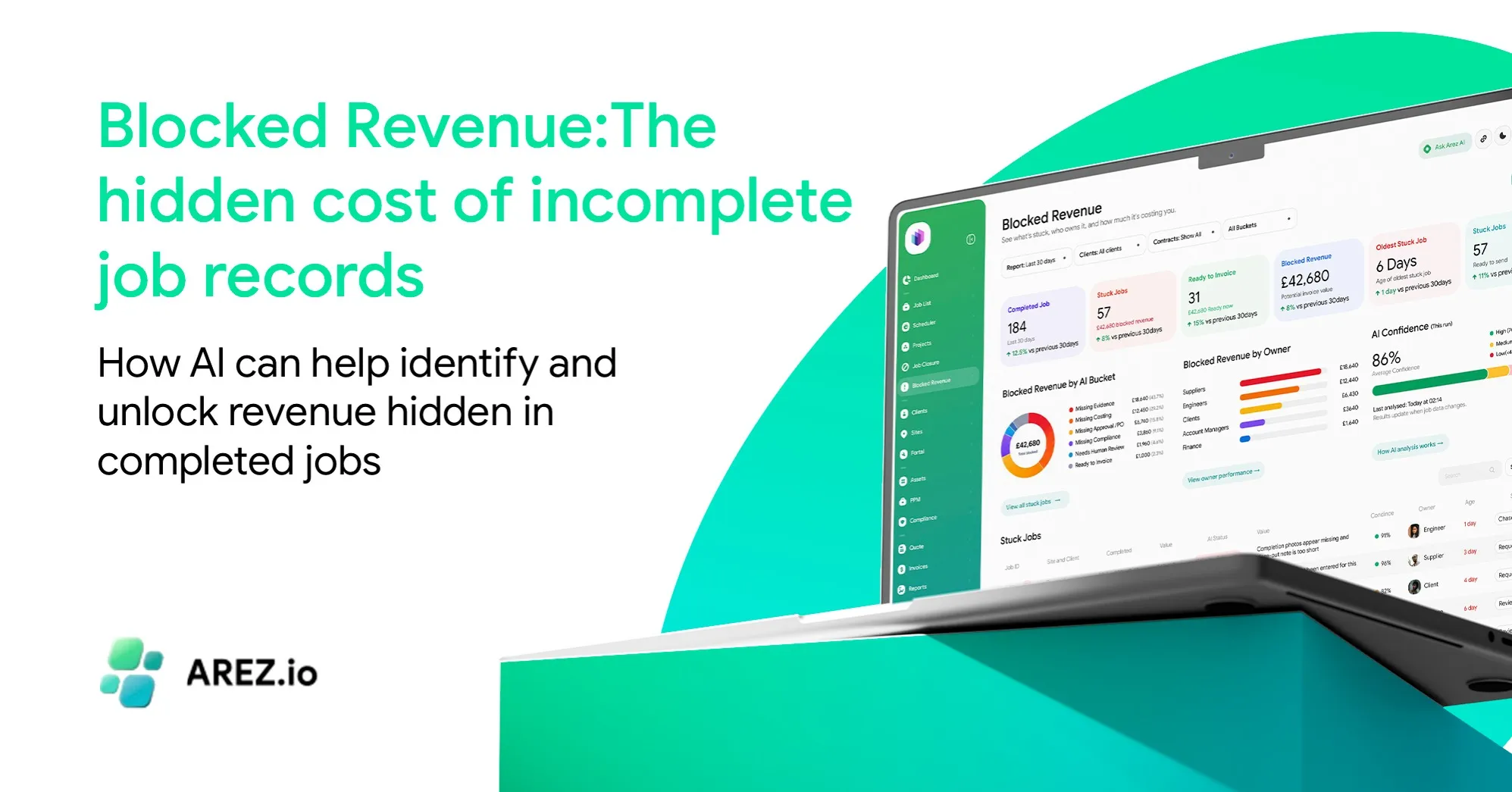
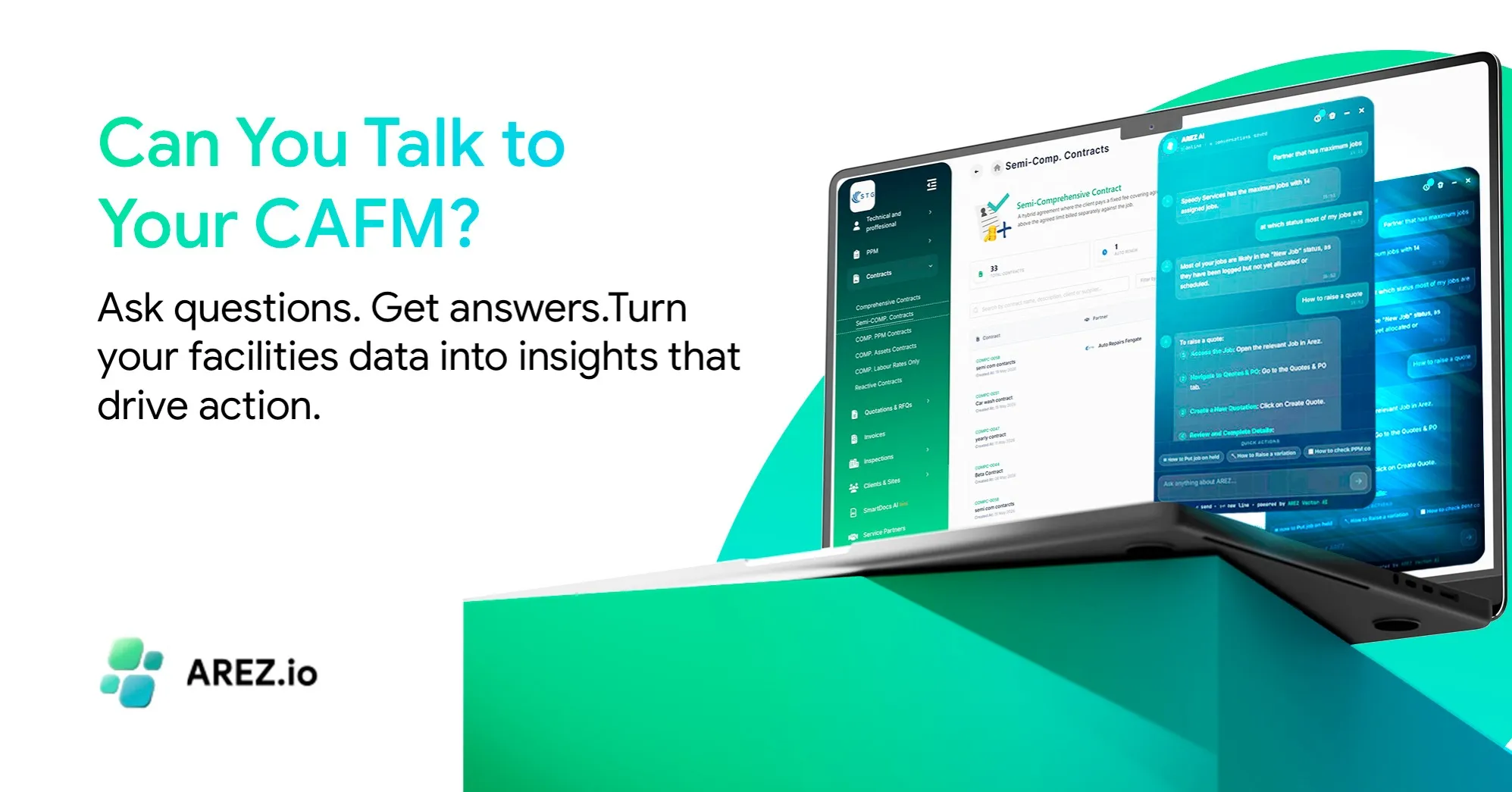
Arez links to the temperature sensors on fridges and freezers. The moment a cabinet climbs above its normal range, Arez creates the job and calls the nearest refrigeration partner to attend.
Nobody has to spot a flashing light, raise a helpdesk ticket or ring round to find out who's on call in the middle of the night. The job lands with the site, the asset and the priority already filled in, and the response clock starts the moment the sensor fires.
When the engineer arrives, Arez logs the visit, the fix and the photos as proof. Your client sees the whole story, from first alarm to cabinet back in range, without having to chase.
Arez listens to the sensors. It never controls the plant.
Three things to do this week
- Know what's on site. List every controller across the estate by make, model and age. Anything past end of life goes on the replacement plan.
- Get controllers off the open internet. Remote access goes through a secure, encrypted connection, never a public login page.
- Change the default passwords. Today.
With Arez FieldIQ, every controller is held as an asset, so you can find the end-of-life units across a whole estate in minutes, not weeks. Schedule the checks as PPM and the evidence is ready when your clients ask. And they will ask.
Is your cold chain ready?
The UK's National Cyber Security Centre says no UK incidents have been reported so far. That makes now the time to get ready, not after the first warm freezer.
Arez is ISO 27001:2022 certified and Cyber Essentials accredited, and every client runs on its own isolated cluster. Cold chain is a cyber security problem now, and we treat it like one.
If you run refrigeration across a retail estate, or look after it for clients who do, book a demo or speak to our sales team. We'll show you a warm freezer become a dispatched job, live.
#FacilitiesManagement #FieldService #ServiceDelivery #Refrigeration #CyberSecurity