Can You Talk to Your CAFM? And If You Could, What Would You Ask?
'%20fill='%230A2841'%3e%3cg%20id='Group-23'%20transform='translate(1030,%20300)'%3e%3cg%20id='Group-22'%20transform='translate(0,%2015)'%3e%3crect%20id='Rectangle-Copy-6'%20fill-opacity='0.08'%20x='0'%20y='0'%20width='36'%20height='36'%20rx='15'%3e%3c/rect%3e%3cg%20id='Group-3-Copy-10'%20transform='translate(14,%2011)'%3e%3cpath%20d='M1.48030663,7.00622181%20L0,7.00622181%20L0,4.54113581%20L1.47413869,4.54113581%20C1.47413869,4.01634435%201.4507005,3.52367128%201.48092343,3.03386591%20C1.50559521,2.63812154%201.54383646,2.23147985%201.66472817,1.85466237%20C2.01506741,0.761490221%202.84959027,0.135181726%204.05048903,0.0382530307%20C5.00096925,-0.0380281321%205.96501894,0.0233409237%206.94078773,0.0233409237%20L6.94078773,2.40813096%20C6.43008195,2.40813096%205.92986166,2.40755742%205.42964138,2.40813096%20C4.82209886,2.40927805%204.61238876,2.60428252%204.60868799,3.1778251%20C4.60622081,3.6183058%204.6080712,4.0587865%204.6080712,4.53540038%20L7,4.53540038%20C6.90686404,5.37449317%206.81804564,6.17515861%206.72676007,7.00105992%20L4.61979029,7.00105992%20L4.61979029,14%20L1.48030663,14%20L1.48030663,7.00622181%20Z'%20id='Fill-1'%3e%3c/path%3e%3c/g%3e%3c/g%3e%3c/g%3e%3c/g%3e%3c/g%3e%3c/svg%3e)


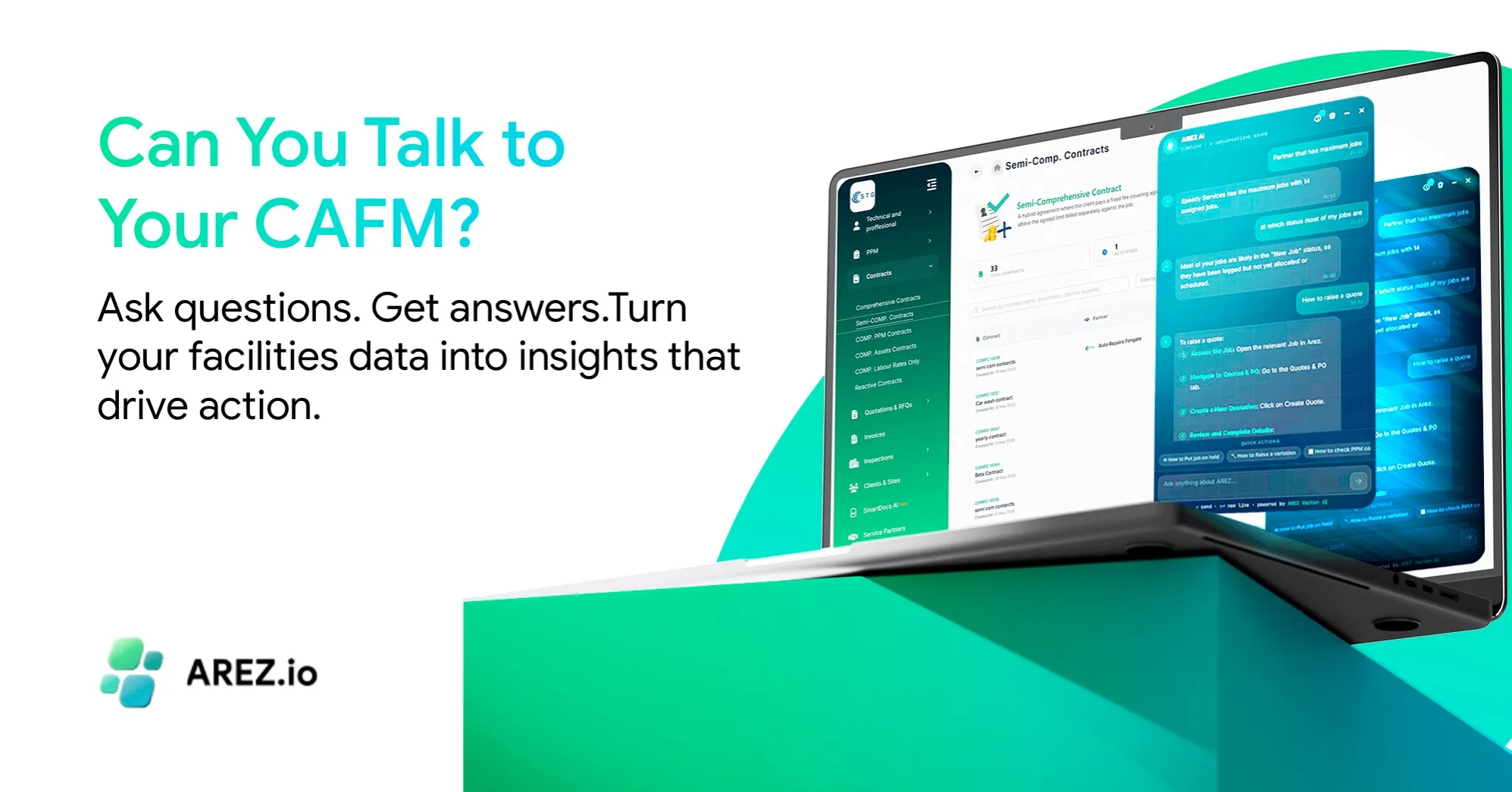
It sounds like a strange question, but in a world increasingly shaped by AI, talking to your CAFM and getting meaningful answers is now entirely possible.
Most facilities management teams have invested heavily in CAFM and other technologies to digitise jobs, assets, compliance records, supplier management, maintenance schedules and reporting. The result is that most organisations now have more operational data than ever before.
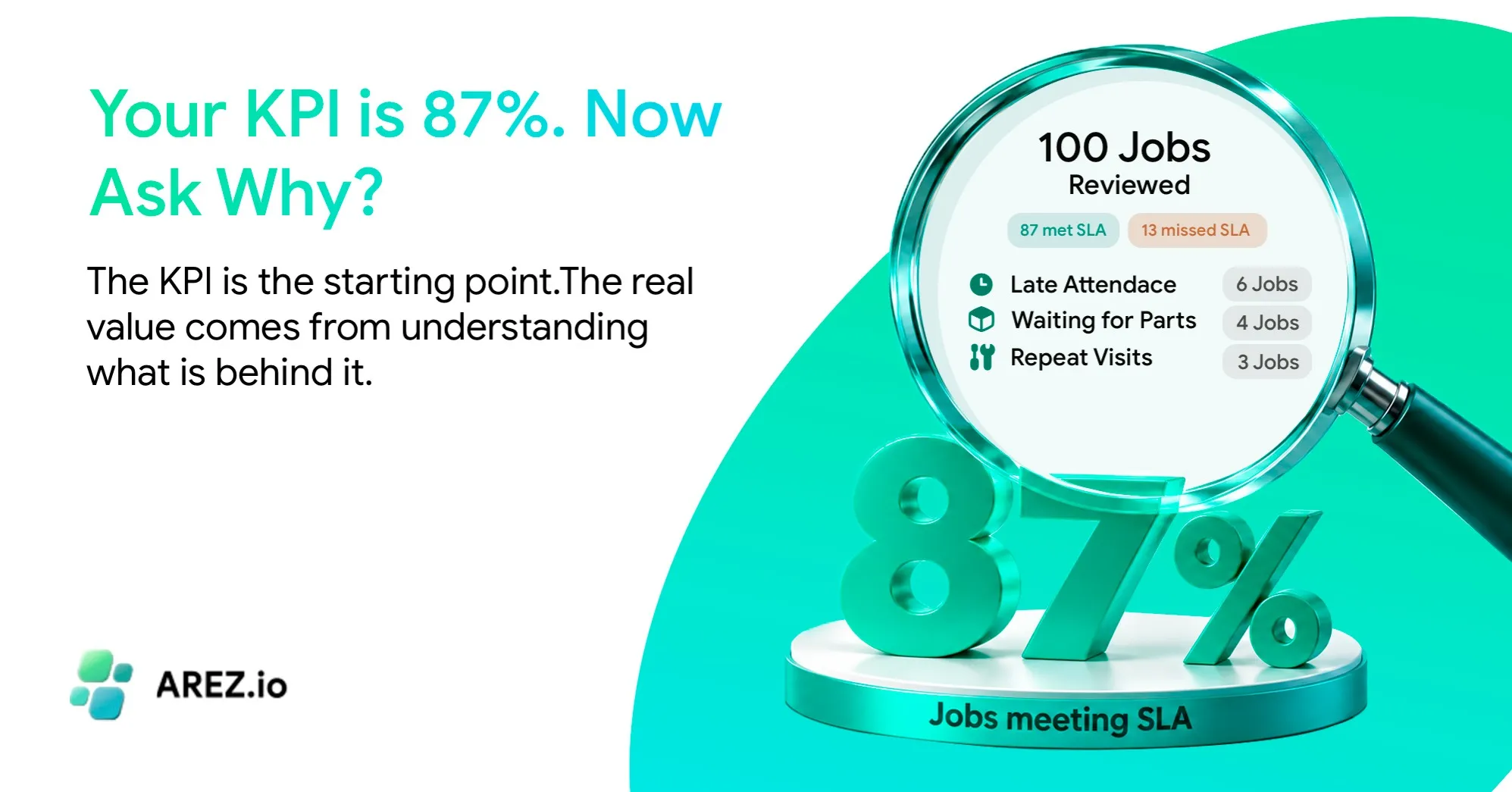
The challenge is that having data and understanding it are two very different things.
Most CAFM systems do an excellent job of recording activity. The problem is that they often expect users to do the hard work of interpreting it. If you want to know where you're exposed to risk, which suppliers are creating issues or where money is being lost, you are typically required to click through multiple screens, run reports, export spreadsheets and manually connect the dots yourself.
A Facilities Director may want to understand where budgets are being overspent, which suppliers are creating the greatest commercial risk or which capital projects should be prioritised. An Operations Manager may want visibility of SLA performance, recurring issues and sites generating the highest volume of reactive work. Meanwhile, the helpdesk team is often focused on keeping on top of incoming jobs, avoiding duplicate call-outs and ensuring nothing slips through the cracks.
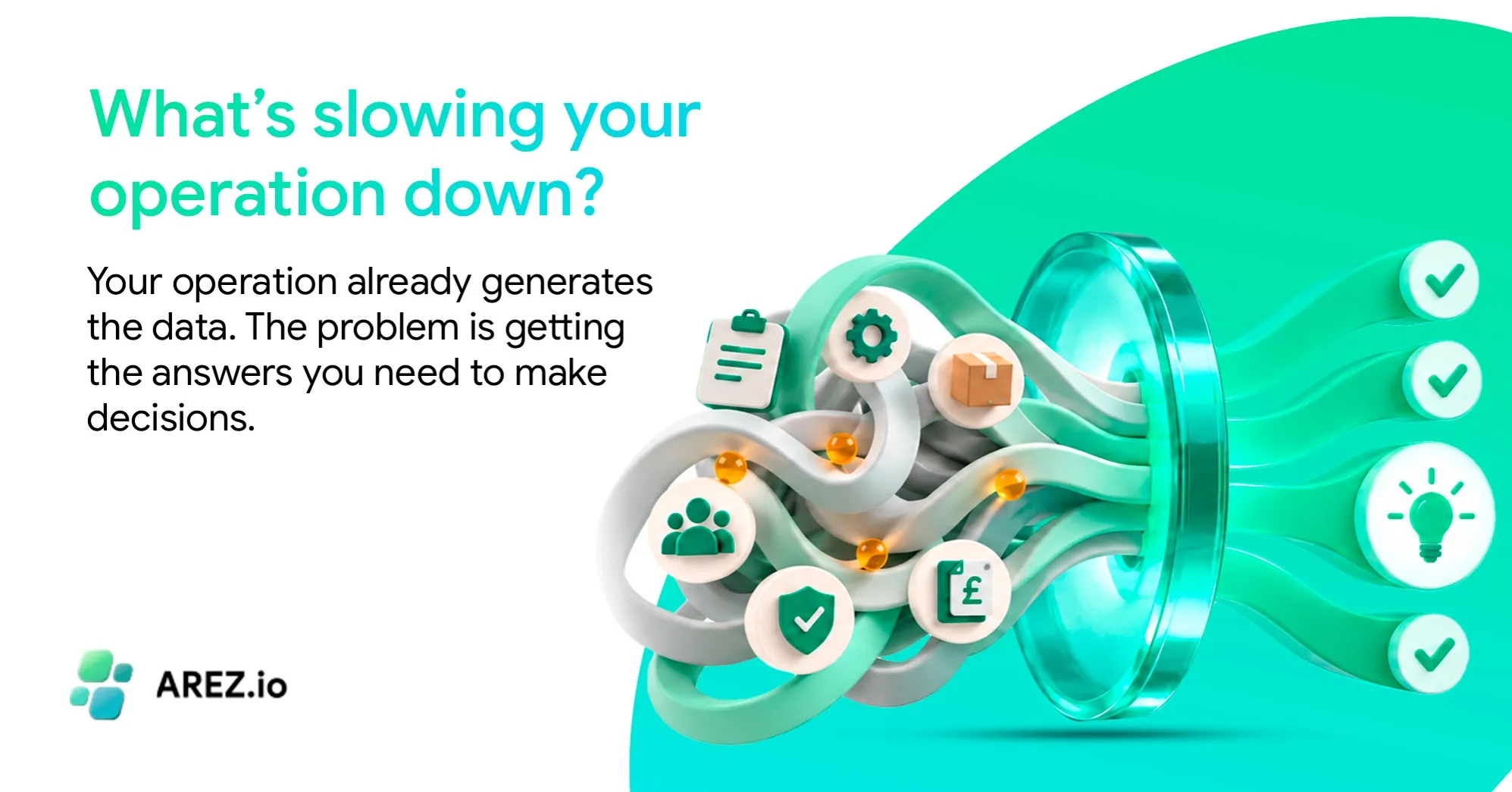
The information needed to answer these questions often already exists within the system, but finding it can involve reviewing reports, analysing spreadsheets and pulling data together from multiple sources. The challenge is not collecting information. It is turning it into insight quickly enough to take action.
This is where the conversation around AI becomes interesting.
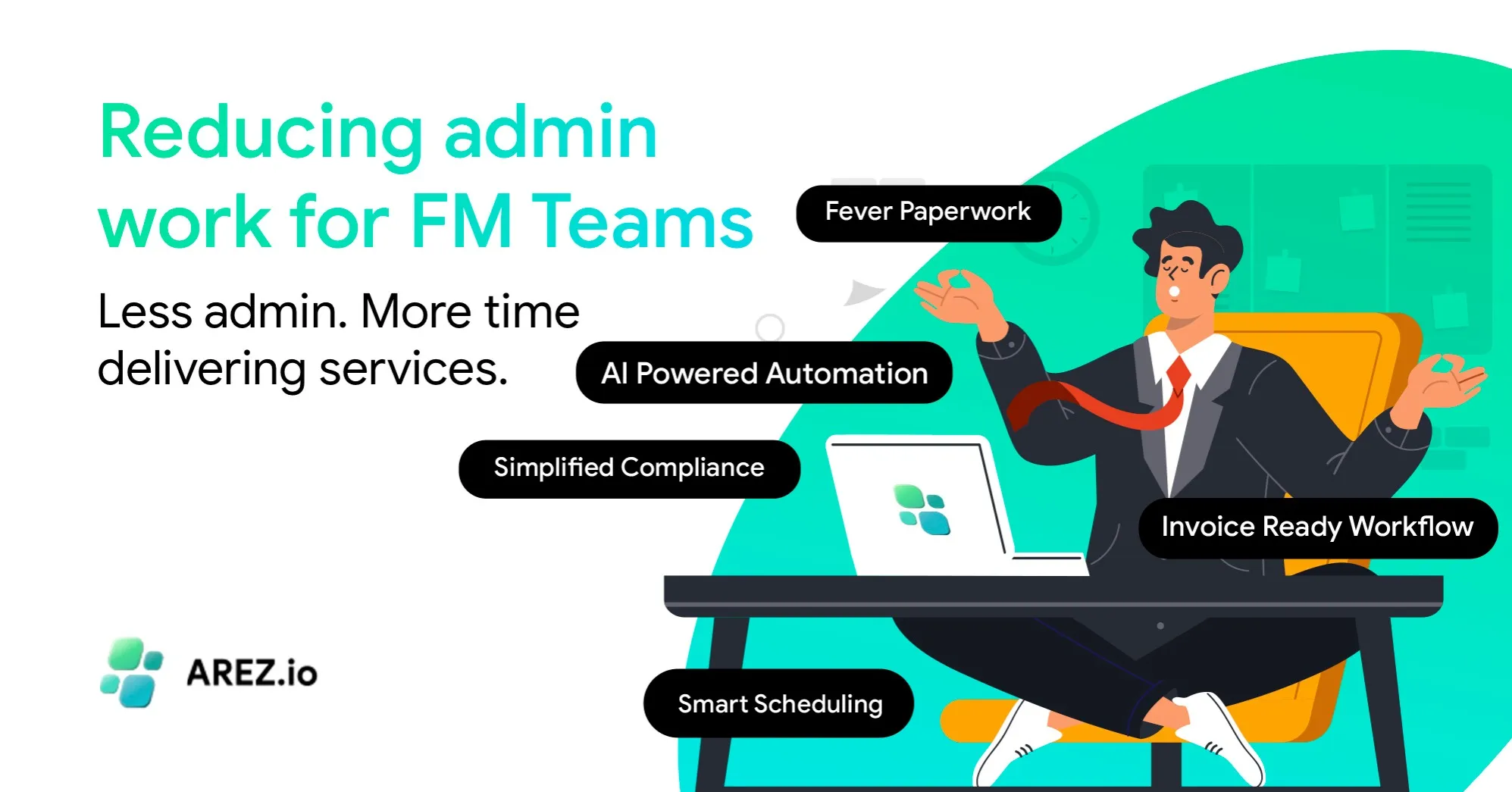
Much of the focus has been on automation, and rightly so. Automating repetitive tasks can save significant time and reduce administration. However, one of the most valuable opportunities for AI may be helping organisations understand their operations more effectively.
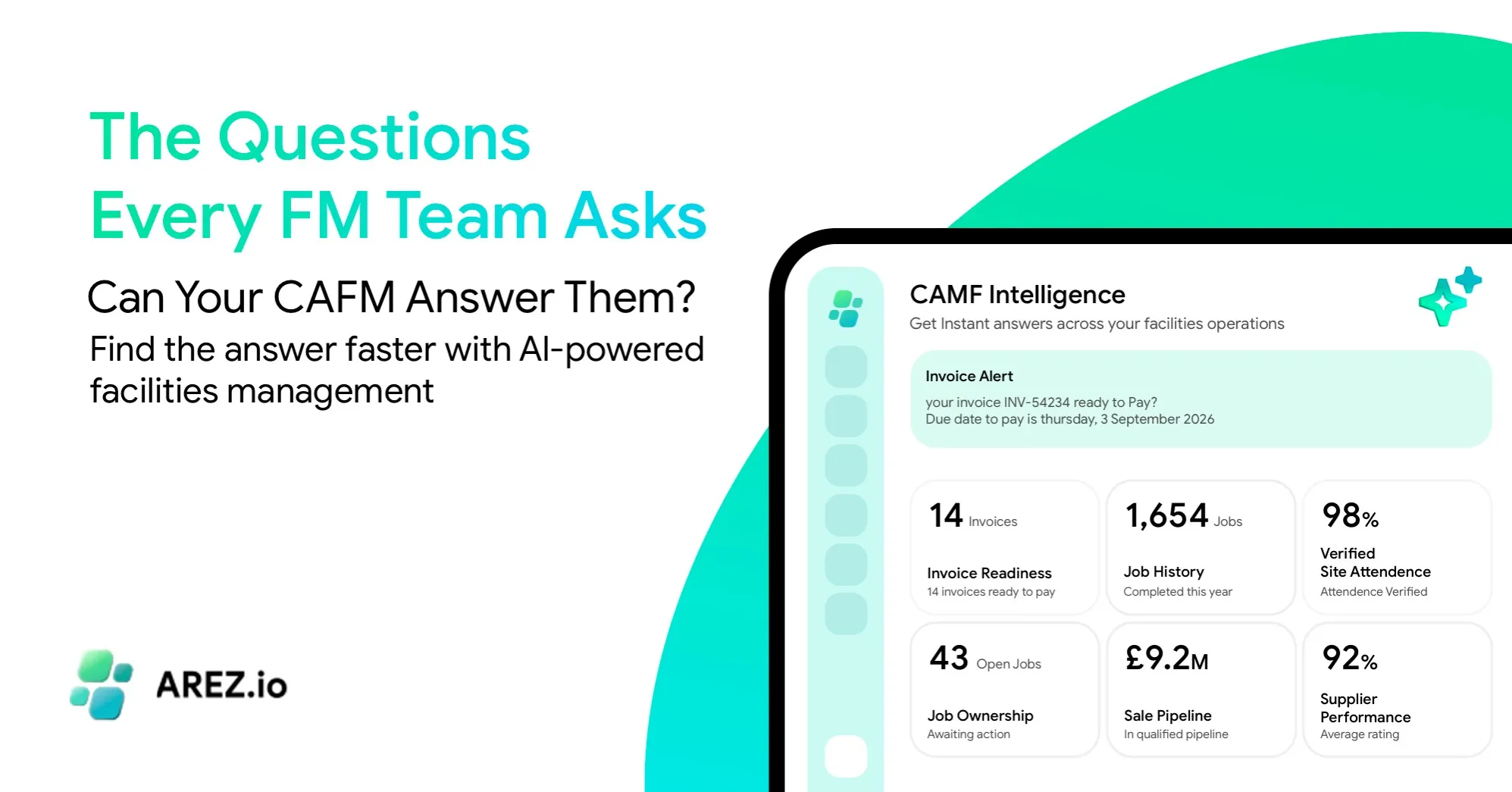
Imagine being able to simply ask a question.
- Are we compliant?
- Which suppliers require attention?
- Where are we losing money?
- Which sites are generating the most reactive work?
- What projects should we prioritise next?
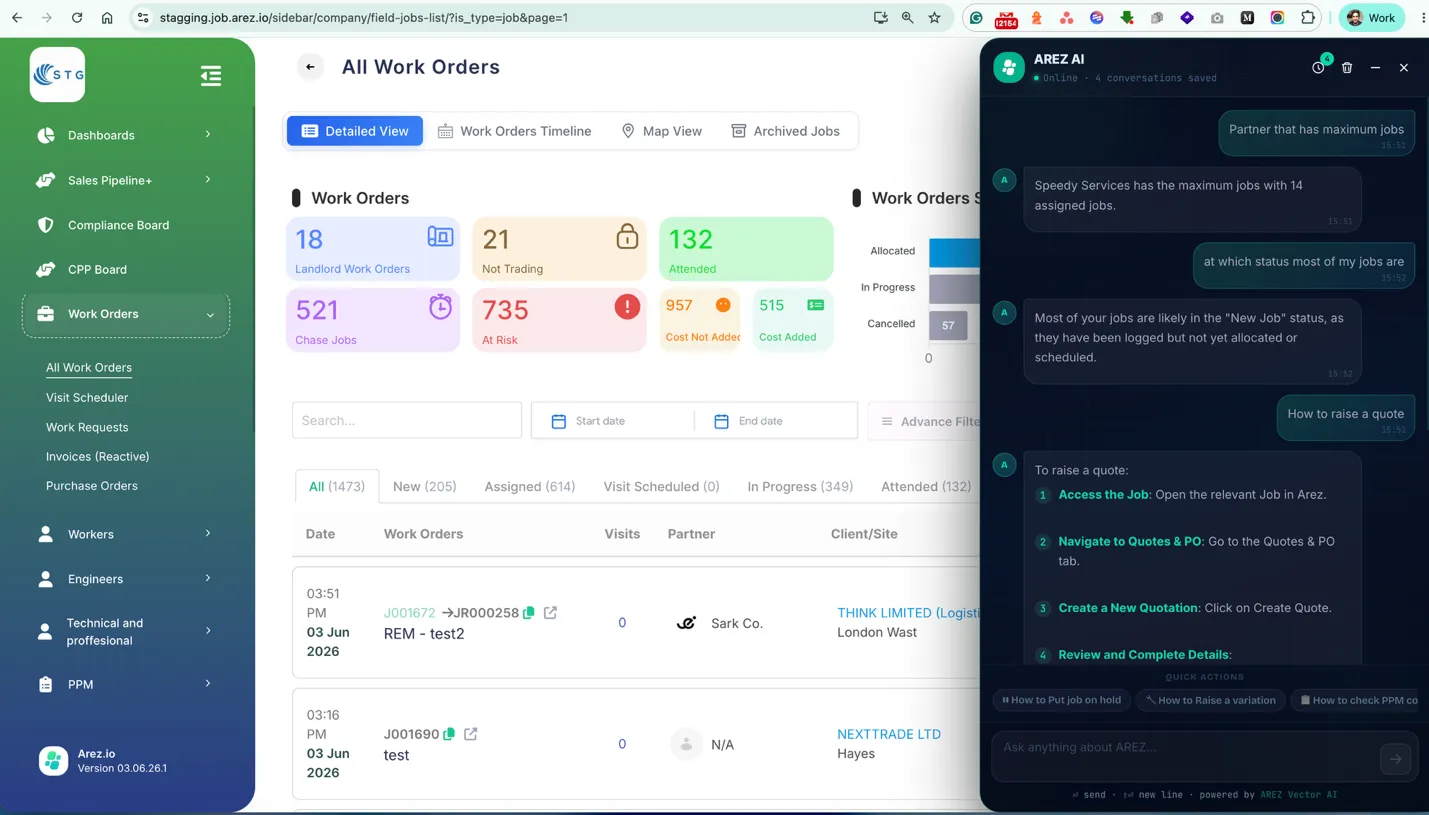
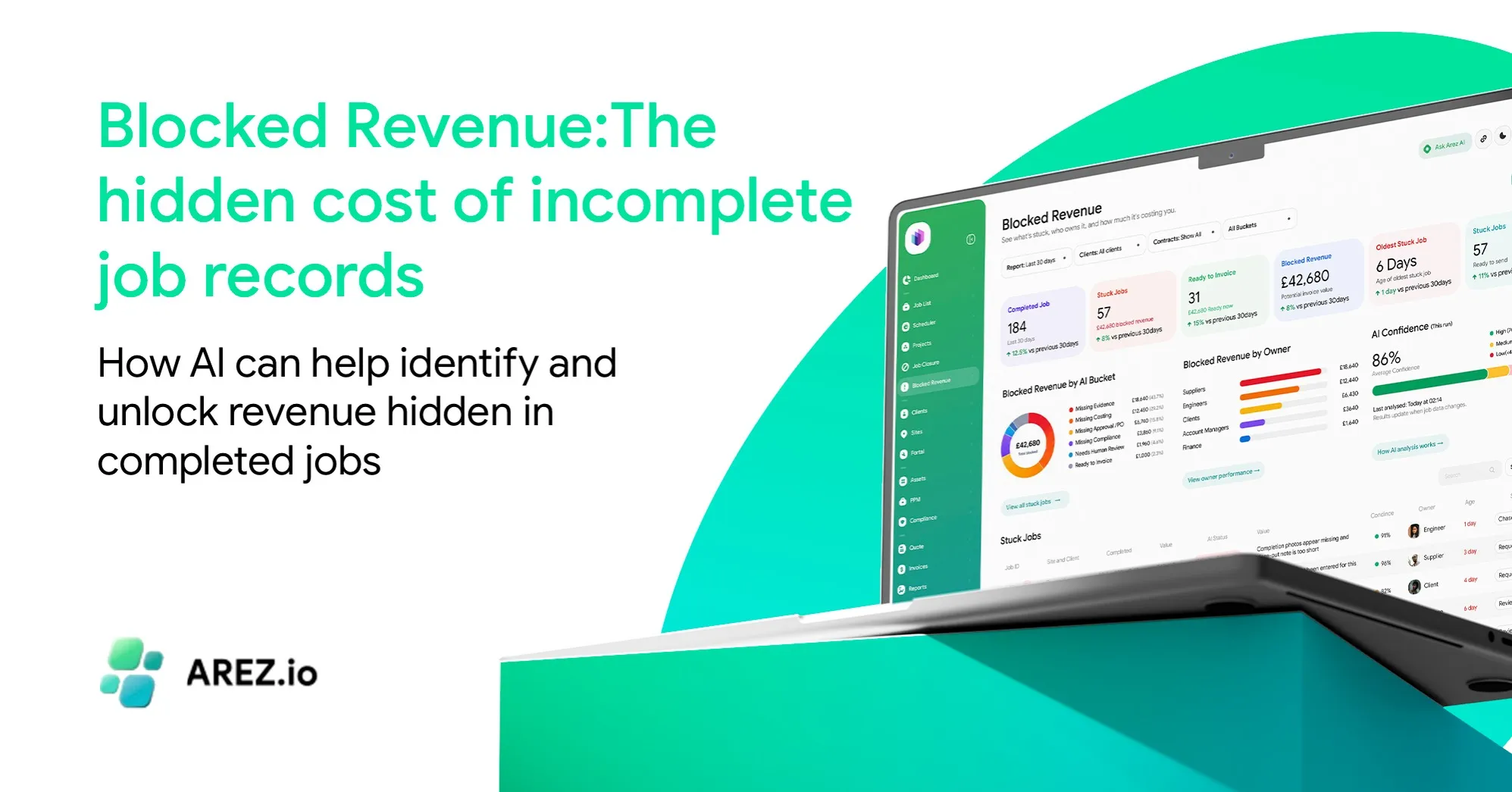
Instead of searching for answers, AI can analyse operational data and provide meaningful insights in seconds. That moves technology beyond record keeping and into operational intelligence.
At Arez we believe the future of facilities management is not about generating more data. Most organisations already have more data than they know what to do with. The real opportunity lies in helping operational teams turn information into answers and answers into action.
So if you could talk to your CAFM, what would you ask?
Would you ask where you are exposed to compliance risk? Which suppliers need attention? Which sites are generating the most cost? Or where opportunities exist to improve service delivery, reduce risk and improve operational performance?
The answers may already be hidden somewhere in your data.
The organisations that gain the greatest advantage from AI will not necessarily be those with the most information. They will be the ones that can turn information into decisions the fastest.
Perhaps the real question is not what you would ask your CAFM. It's whether your CAFM would know the answer.
If you would like to see how Arez is helping FM businesses introduce AI in a practical and controlled way, book a free 20-minute demo and follow us on LinkedIn.