The Post-it Note That Nearly Cost a Fortune: How One UK FM Business Digitised Its Way to the Top
'%20fill='%230A2841'%3e%3cg%20id='Group-23'%20transform='translate(1030,%20300)'%3e%3cg%20id='Group-22'%20transform='translate(0,%2015)'%3e%3crect%20id='Rectangle-Copy-6'%20fill-opacity='0.08'%20x='0'%20y='0'%20width='36'%20height='36'%20rx='15'%3e%3c/rect%3e%3cg%20id='Group-3-Copy-10'%20transform='translate(14,%2011)'%3e%3cpath%20d='M1.48030663,7.00622181%20L0,7.00622181%20L0,4.54113581%20L1.47413869,4.54113581%20C1.47413869,4.01634435%201.4507005,3.52367128%201.48092343,3.03386591%20C1.50559521,2.63812154%201.54383646,2.23147985%201.66472817,1.85466237%20C2.01506741,0.761490221%202.84959027,0.135181726%204.05048903,0.0382530307%20C5.00096925,-0.0380281321%205.96501894,0.0233409237%206.94078773,0.0233409237%20L6.94078773,2.40813096%20C6.43008195,2.40813096%205.92986166,2.40755742%205.42964138,2.40813096%20C4.82209886,2.40927805%204.61238876,2.60428252%204.60868799,3.1778251%20C4.60622081,3.6183058%204.6080712,4.0587865%204.6080712,4.53540038%20L7,4.53540038%20C6.90686404,5.37449317%206.81804564,6.17515861%206.72676007,7.00105992%20L4.61979029,7.00105992%20L4.61979029,14%20L1.48030663,14%20L1.48030663,7.00622181%20Z'%20id='Fill-1'%3e%3c/path%3e%3c/g%3e%3c/g%3e%3c/g%3e%3c/g%3e%3c/g%3e%3c/svg%3e)


Five years ago, the back office of Midlands Maintenance Ltd looked less like a modern Facilities Management hub and more like the aftermath of an explosion in a stationery shop.
Tom and Sarah had started the business with two vans, a handful of spanners, and a relentless work ethic. But as their reputation grew, so did the chaos. Their entire operation hinged on a massive, slightly wobbly whiteboard and a precarious mountain of spreadsheets.
Then came "Black Tuesday." A vital reactive maintenance request from their biggest commercial client was written on a pink Post-it note. A breeze from an open window fluttered it straight into the office bin. By the time the client rang—furious that a burst pipe was flooding their lobby—Tom realised his booming business was broken.
The outdated manual methods they relied upon were no longer just a headache; they were actively eating their profits and destroying their reputation.
"We were working 14-hour days just to stand still," Tom recalls. "We were losing money on fuel, missing SLAs, and the communication between the office and the engineers on the road was completely fractured."
This is the hidden reality for countless businesses across the UK’s facilities management, maintenance, and service industries. But Tom and Sarah’s story didn’t end in administration—it ended in a total operational transformation. Here is how they, and businesses like them, are turning the tide.
The Hidden Costs of the Paper Trail
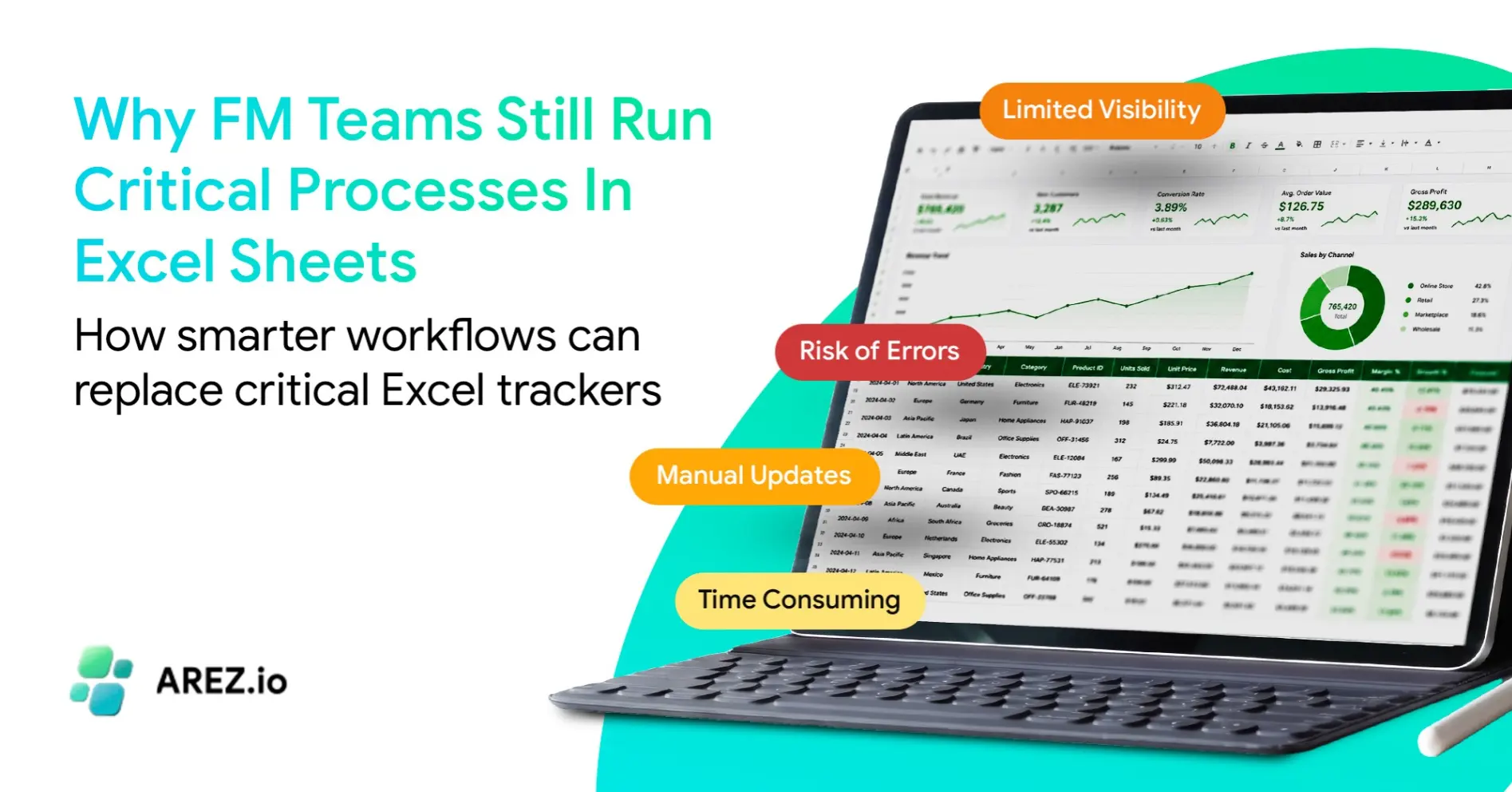
Many growing businesses vastly underestimate the financial drain of manual processes. When field teams rely on whiteboards, endless email chains, and paper logs, inefficiencies compound silently.
Before their wake-up call, Tom and Sarah’s operational challenges were painfully common:
- Blind Scheduling: Guessing which engineer was closest to a job, resulting in hours wasted sitting in M6 traffic.
- Missed Reactive Jobs: Requests falling through the cracks (or into the bin).
- Chaotic Rotas: Inefficient workforce scheduling leading to burnt-out staff and overtime bills.
- The Communication Chasm: Office teams and field engineers operating on completely different sets of information.
- Admin Nightmares: Errors in timesheets, reporting, and invoicing that delayed cash flow.
They needed a lifeline. They found it in Field Management Software (FMS).
The Digital Shift: Moving from Chaos to Control
Field Management Software is a digital platform designed to centralize and automate field operations—from dispatching and workforce management to preventative maintenance and asset tracking.
When Midlands Maintenance finally made the switch, the transformation was night and day. Here is how modern FMS reduces operational costs and why the industry is adopting it at breakneck speed:
1. Smarter Scheduling and Rota Management
Without automation, Tom spent hours every Sunday night coordinating rotas and matching skills to jobs. FMS simplified this instantly with drag-and-drop scheduling, intelligent engineer assignment, and real-time availability tracking. By matching the right engineer to the right job based on actual location and skillset, they cut their fuel costs by nearly 20% and drastically improved their first-time fix rates.
2. Taming Reactive Maintenance
Reactive jobs are, by nature, chaotic. FMS brought order to the storm through automated work order creation, priority-based allocation, and real-time SLA monitoring. When a pipe burst, the system found the nearest qualified plumber instantly—no phone calls, no panic.
3. Optimising Planned Preventative Maintenance (PPM)
PPM is the bread and butter of FM, essential for preventing asset failure. Instead of relying on manual diary entries, their new system automatically generated recurring schedules, tracked asset service history, and sent alerts. They stopped fighting fires and started preventing them.
4. Bridging the Field-to-Office Gap
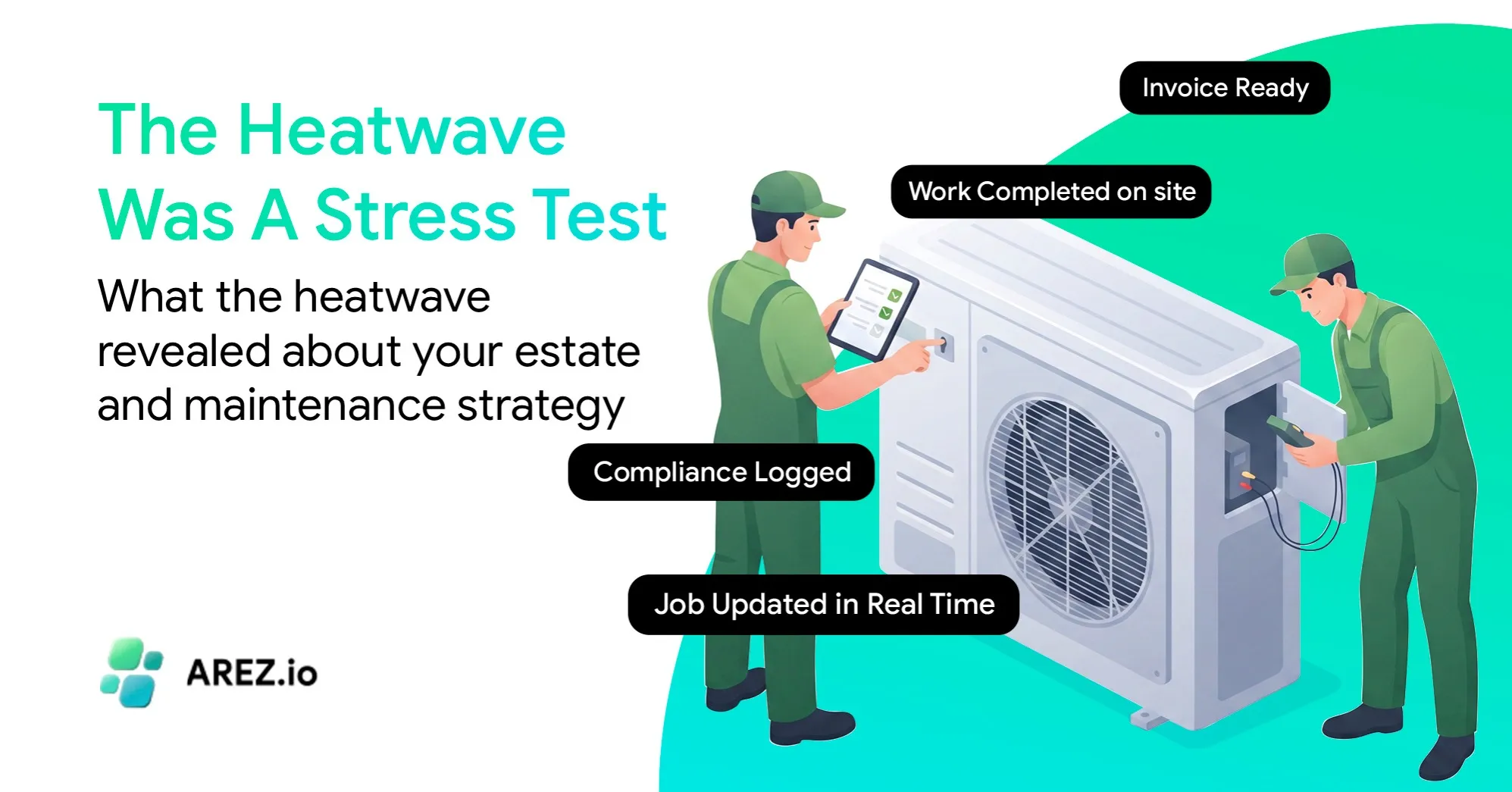
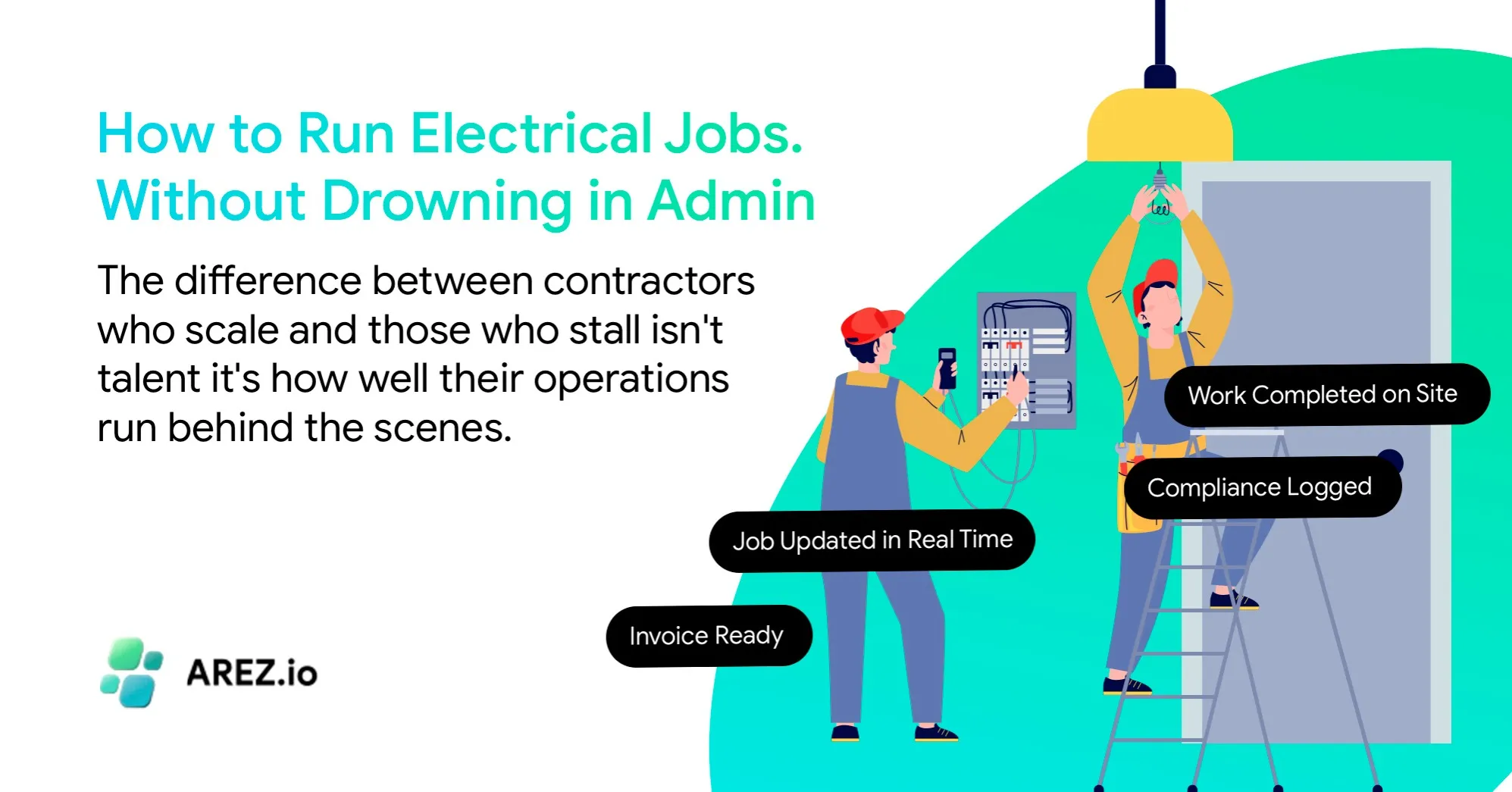
With mobile-enabled software, Tom’s engineers suddenly had everything they needed in their pockets. They received instant job updates, could upload photos of completed work from the site, and shared notes in real-time. The endless "Where are you?" phone calls ceased entirely.
5. Data-Driven Decisions
Perhaps the biggest revelation was the data. The software highlighted bottlenecks they never knew existed, allowing them to optimize their workforce allocation and significantly reduce operational costs over time.
The Arez Advantage: An All-in-One Engine for Growth
While many tools on the market offered fragmented solutions, Tom and Sarah ultimately found their perfect fit with Arez—a comprehensive platform built specifically for businesses juggling reactive maintenance and PPM operations.
Arez stands out from the crowd because it doesn't just offer software; it offers a bespoke operational hub.
Why Arez transformed their business:
- Fully Customisable: Every FM business has its quirks. Arez’s flexible customisation allowed Tom and Sarah to tailor workflows, dashboards, and job management processes to fit their exact needs. The system adapted to them, not the other way around.
- Complete Reactive and PPM Mastery: Arez handles the unpredictable and the scheduled seamlessly in one place. From automated work orders and SLA tracking to asset management and engineer allocation, nothing gets missed.
- Advanced Scheduling Tools: The intuitive tools for workforce and rota management, coupled with skill-based job allocation and real-time tracking, maximised their team's productivity.
- A True All-in-One Platform: Instead of paying for a patchwork of different apps, Arez integrated job management, CAFM capabilities, field service tools, and analytics into one unified view.
The Future is Digital (and Profitable)
Today, Midlands Maintenance Ltd operates from a calm, paperless office. Their engineers are happier, their clients are seeing faster response times, and their profit margins have never been healthier. The whiteboard is gone, replaced by glowing dashboards tracking real-time success.
As the UK service industry grows more complex, manual processes are simply a fast track to being left behind. Companies that adopt FMS and CAFM systems gain a massive competitive edge by streamlining operations and slashing costs.
With a flexible, customisable, all-in-one solution like Arez, you aren't just buying software—you are buying peace of mind and the capacity to grow.
Ready to write your own success story?
To find out more and to book your free demo, click here: https://arez.io/book-a-demo