Freezer Cyber Attacks: Who's Watching Your Cold Chain at 1 AM?


It started around midnight on Sunday.
Across Europe, in dozens of dark, empty supermarkets, nothing looked wrong. No alarms blared. No glass broke. No door was forced. Nobody set foot inside.
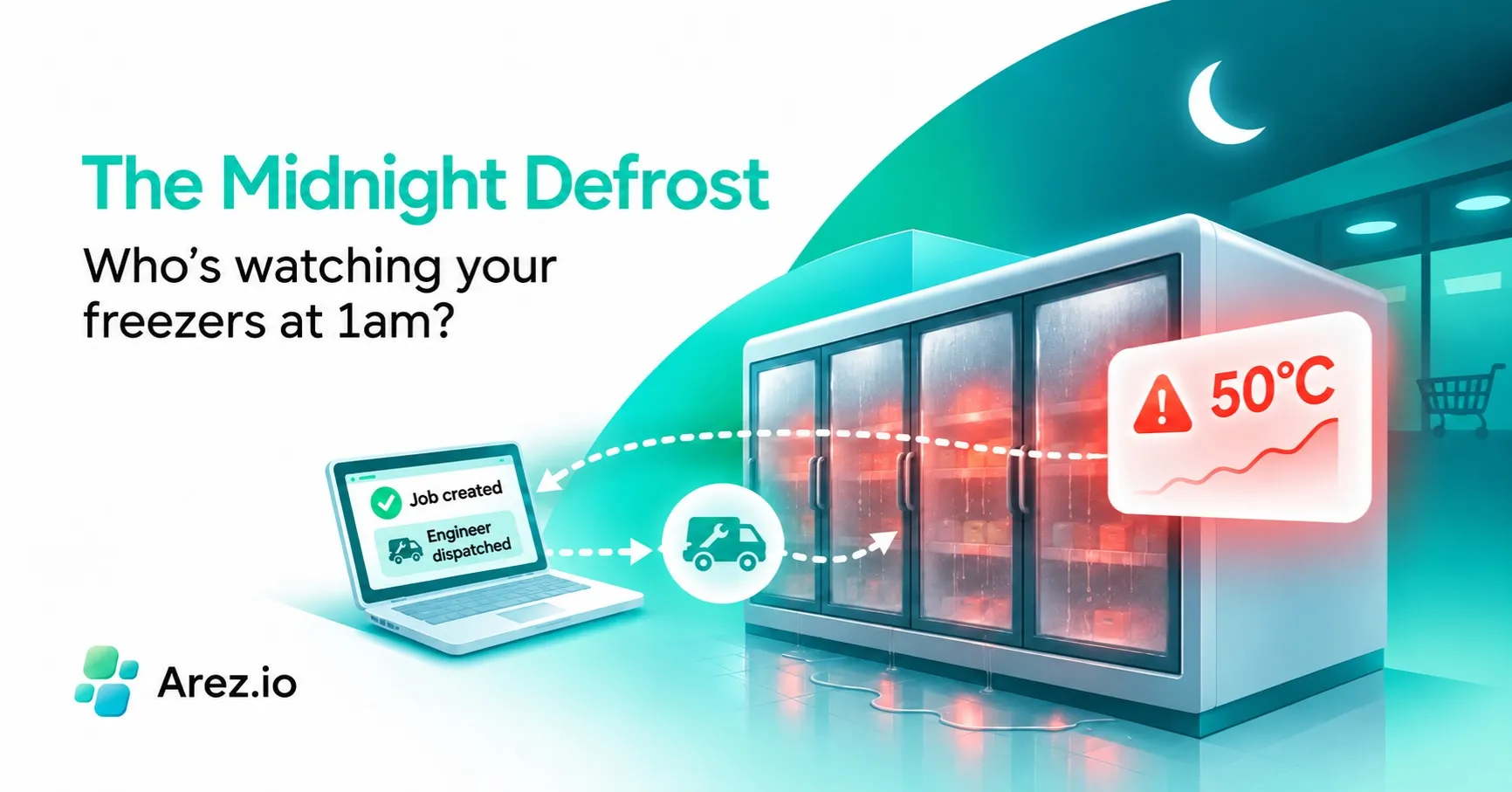
Somewhere on the internet, someone quietly reached into the refrigeration controls and switched the evaporators into defrost mode. The cold stopped. The cases began to warm, and in some stores, freezers that should sit well below zero climbed to 122°F (50°C).
When staff unlocked the doors Monday morning, they walked into warm cases, puddles on the floor, and product that had to go straight in the dumpster.
Stores in Belgium, Luxembourg, Sweden, Ireland, the Netherlands, Estonia, and Finland were hit in a single night. One Belgian store alone put its loss at €100,000, before counting the cost of closing. Add October's attack on hundreds of French supermarkets, which used the same method, and the bill already runs into the millions.
It wasn't a breakdown. It wasn't a power outage. It was a cold, calculated cyberattack.
Why US Grocers Should Pay Attention
This isn't just a European problem. US authorities are already investigating refrigeration malfunctions at several American military bases in August, and are working with French officials to see whether the incidents are linked.
American grocery chains, convenience stores, and pharmacies run the same kind of connected refrigeration, often serviced remotely by outside contractors. What happened in Brussels can happen in Boston.
How a Freezer Gets Hacked
How do you sabotage a freezer without setting foot in the store?
Most supermarket refrigeration is connected to the internet, so technicians can monitor and fix it remotely. That convenience left a back door unlocked.
The attackers ignored the registers, the card data, and the websites. They went straight for the equipment. Sabcobel, the Belgian firm that runs Delhaize's refrigeration, says some of the affected units need physical work, not just a software update.
The Real Cost Is Time
In Belgium, technicians were responding by 1 a.m., an hour after it began. Stores still lost product.
A freezer that drifts out of range at midnight and sits unnoticed until the morning crew arrives is a case headed for the dumpster. Every hour between the first warning and a technician on site is money gone.
So the question for every grocer and every refrigeration contractor is simple. When a case goes warm at 1 a.m., who knows, and how fast does someone get there?
From Alarm to Dispatch
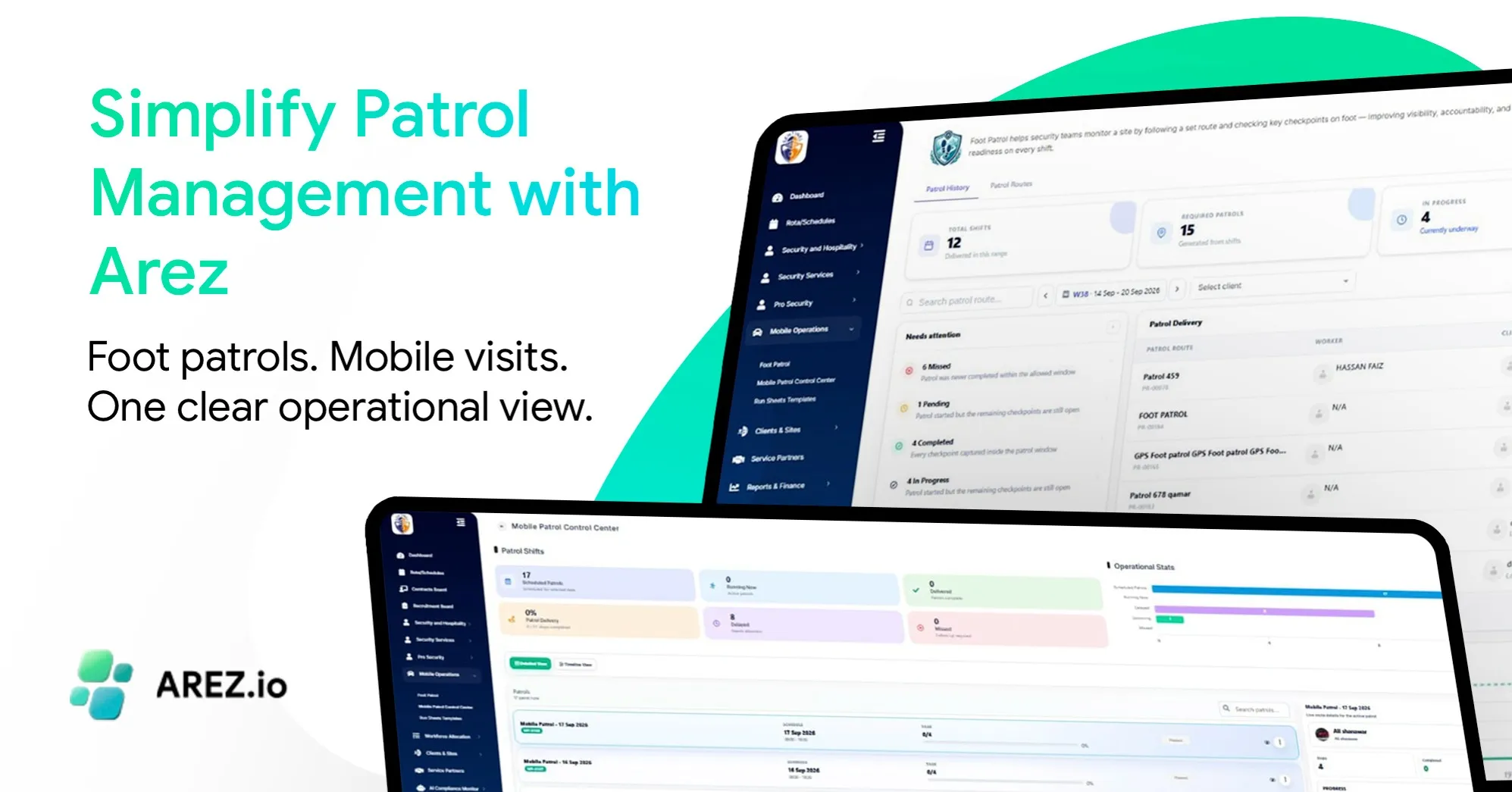
Arez connects to the temperature sensors on refrigerators and freezers. The moment a case climbs above its normal range, Arez creates the work order and calls the nearest refrigeration contractor to respond.
Nobody has to spot a flashing light, open a help desk ticket, or call around to find out who's on call in the middle of the night. The work order lands with the site, the asset, and the priority already filled in, and the response clock starts the moment the sensor fires.
When the technician arrives, Arez logs the visit, the fix, and the photos as proof. Your client sees the whole story, from first alarm to case back in range, without having to chase it.
Arez listens to the sensors. It never controls the equipment.
Three Things to Do This Week
- Know what's in your stores. List every controller across your portfolio by make, model, and age. Anything past end of life goes on the replacement plan.
- Get controllers off the open internet. Remote access goes through a secure, encrypted connection, never a public login page.
- Change the default passwords. Today.
With Arez FieldIQ, every controller is tracked as an asset, so you can find every unit past end of life across your whole portfolio in minutes, not weeks. Schedule the checks as preventive maintenance and the documentation is ready when your clients ask. And they will ask.
Is Your Cold Chain Ready?
Europe has now been hit twice in a month. Don't wait for the first warm freezer in your own stores.
Arez is ISO 27001:2022 certified, and every customer runs on its own isolated cluster. Cold chain is a cybersecurity problem now, and we treat it like one.
If you run refrigeration across a store network, or service it for clients who do, book a demo or talk to our sales team. We'll show you a warm freezer become a dispatched work order, live.
#FacilitiesManagement #FieldService #ServiceDelivery #Refrigeration #Cybersecurity